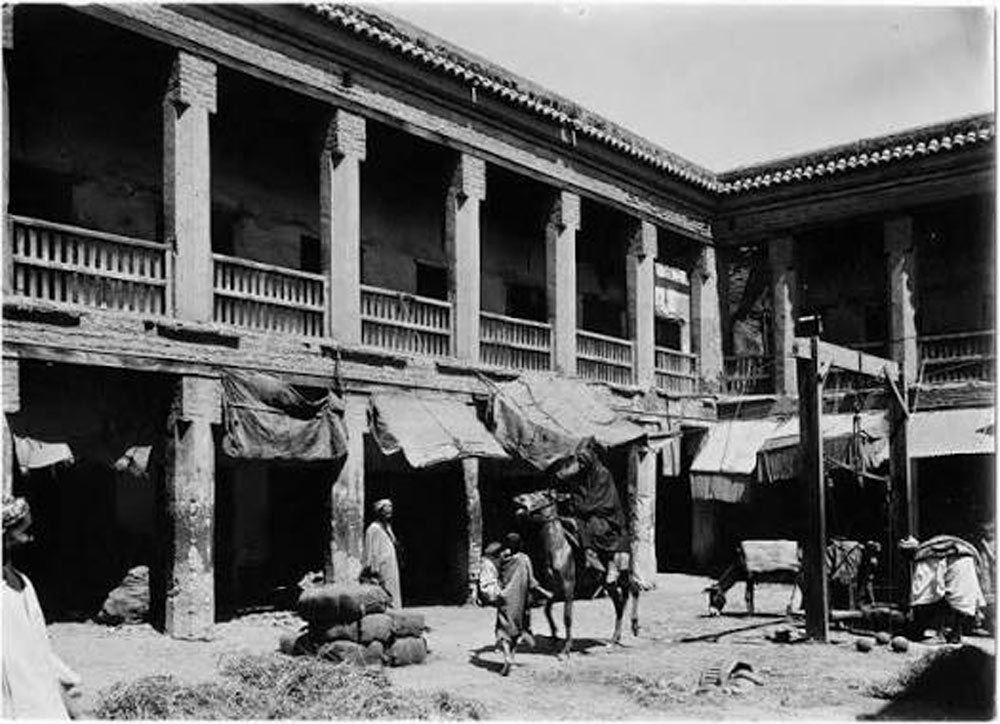
A Marrakech historic fondouks guide is the perfect starting point for discovering a fascinating part of the city’s history that many visitors overlook. Hidden among the narrow streets of the Medina, historic fondouks once welcomed merchants, provided accommodation for travelers, and served as busy centers of trade. These traditional buildings played an essential role in Marrakech’s commercial life, connecting local artisans and traders with visitors arriving from different regions of Morocco and beyond.
Today, many historic fondouks preserve traces of this rich heritage. Their traditional courtyards, wooden balconies, carved doorways, and surrounding workshops offer a glimpse into the city’s past. Exploring these architectural treasures is an excellent way to experience Marrakech beyond its famous palaces and lively souks. Whether you love history, architecture, photography, or authentic cultural experiences, visiting the old fondouks can reveal a quieter and more traditional side of the Red City.
1. Discover the History of Marrakech’s Historic Fondouks
Historic fondouks were important commercial and social institutions in traditional Moroccan cities. In Marrakech, they provided accommodation for merchants and their animals while offering secure spaces to store, display, and exchange goods. Traders arriving with textiles, spices, leather, ceramics, and other products could rest, conduct business, and prepare for the next stage of their journeys.
The design of a traditional fondouk reflected its practical purpose. Many featured a central courtyard surrounded by rooms, storage areas, and workshops on several levels. The courtyard allowed goods to be unloaded and organized, while upper floors could accommodate merchants or provide additional storage. Thick walls and enclosed entrances helped create a protected environment within the busy Medina.
As Marrakech developed into an important commercial center, fondouks became essential to its economic life. They connected traveling merchants with local craftsmen and shopkeepers, helping the city maintain its reputation as a destination for trade and traditional production.
Today, a Marrakech historic fondouks guide helps visitors understand how these buildings contributed to the growth of the Medina. Although some have changed their original function, their architecture still reflects centuries of commerce, craftsmanship, and cultural exchange.
2. Admire Traditional Moroccan Architecture and Craftsmanship
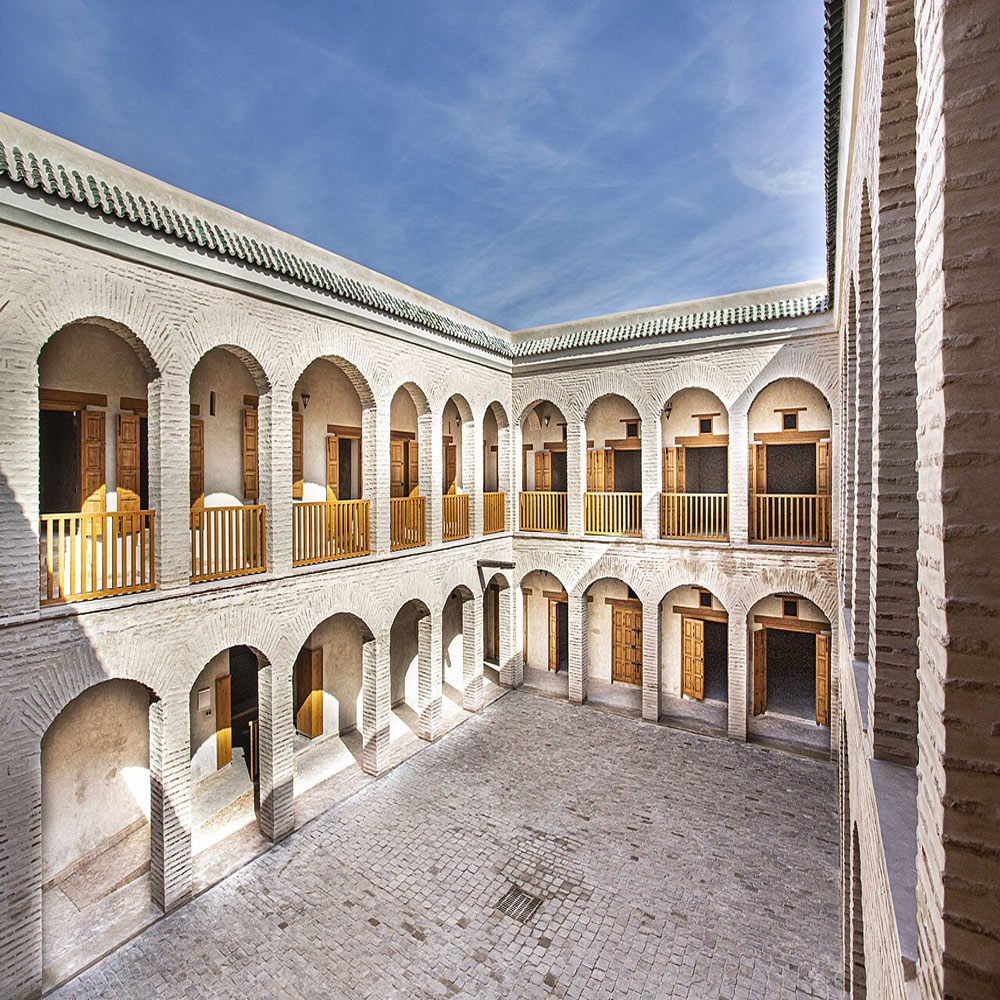
One of the most rewarding aspects of exploring historic fondouks is discovering their architectural details. Unlike grand royal palaces, these buildings were designed primarily for business and everyday life. Nevertheless, many display beautiful examples of traditional Moroccan craftsmanship.
Look for carved wooden doors, decorative plasterwork, traditional arches, and balconies overlooking central courtyards. Some fondouks feature simple, practical designs, while others reveal more elaborate decorative details that reflect the skills of local artisans. The contrast between weathered walls and carefully crafted architectural elements creates an atmosphere full of character.
The central courtyard is often the most distinctive feature. It provided light, ventilation, and convenient access to the surrounding rooms. Standing in the courtyard can help you imagine the daily activities that once took place there, from unloading merchandise to negotiating prices and preparing goods for sale.
Many fondouks are also closely connected to the traditional crafts of Marrakech. Depending on the building and its current use, you may find workshops or commercial spaces associated with leatherwork, textiles, metalwork, woodwork, or other artisanal trades.
When following a Marrakech historic fondouks guide, take your time to notice the small details rather than simply passing through. Ask permission before photographing artisans or entering private workspaces, and remember that some buildings remain active places of business.
3. Explore the Medina’s Hidden Fondouks and Artisan Workshops
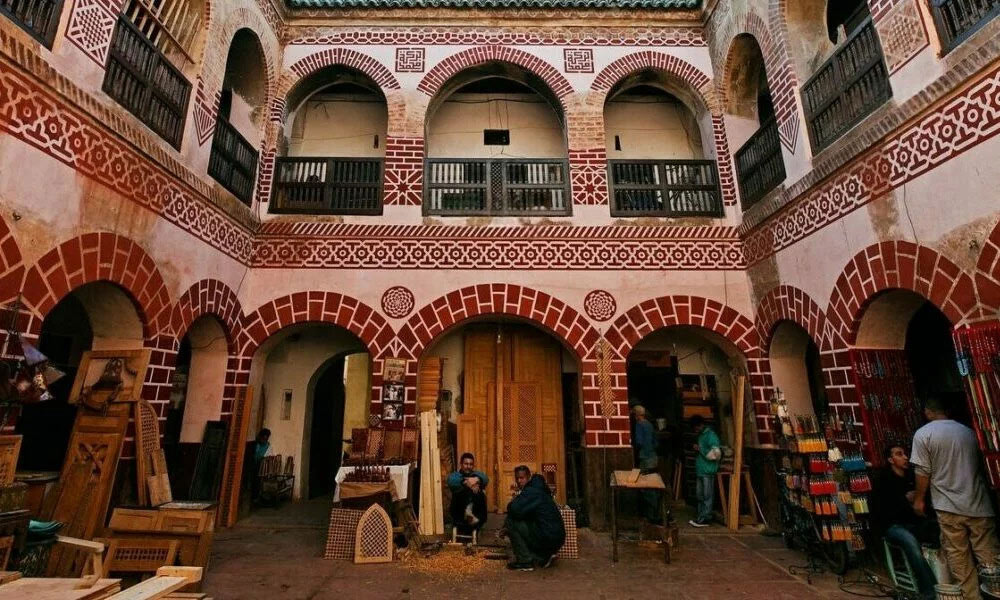
The Medina is famous for its lively souks, but historic fondouks offer another way to explore its cultural identity. Some are tucked away behind unassuming entrances, while others stand near traditional trading streets. Their locations make them ideal stops during a walking tour through the old city.
As you explore, look beyond the main shopping areas. A doorway opening onto a quiet courtyard may reveal a historic commercial building, a traditional workshop, or an architectural feature that is easy to miss when walking quickly. The atmosphere can be very different from the crowded streets outside, offering a moment to appreciate the Medina’s layered history.
Fondouks can also help visitors understand how traditional crafts remain connected to daily life in Marrakech. In some buildings, artisans continue to work with materials and techniques passed down through generations. Observing these activities, where access is permitted, provides a valuable perspective on the time, patience, and expertise involved in producing handmade goods.
For photography enthusiasts, the interplay of sunlight, shadows, textured walls, and traditional doorways can create memorable images. Always respect signs, business activities, and privacy when taking photographs.
A knowledgeable local guide can make these discoveries more meaningful by explaining the original purpose of each building, its architectural features, and its relationship with the surrounding souks. With a Marrakech historic fondouks guide, visitors can discover places they might otherwise walk past without realizing their historical importance.
4. Plan Your Visit to Marrakech’s Historic Fondouks
Exploring historic fondouks is best combined with a walking tour of the Medina. Allow time to wander through nearby souks, observe traditional workshops, and discover other historic landmarks along the way. Since many buildings are integrated into the everyday life of the old city, visiting them can provide a more authentic experience than following a route focused exclusively on major monuments.
Wear comfortable walking shoes, as Medina streets can be uneven, narrow, and busy. Visiting in the morning may offer a pleasant atmosphere for walking and observing artisans at work, although opening hours and access vary from one building to another. Some fondouks are privately occupied or used for commercial purposes, so not every courtyard or interior will be open to visitors.
Before planning your route, check whether the specific fondouks you wish to see are accessible. Ask permission before entering workshops or photographing people, and consider purchasing directly from local artisans if you find something you appreciate. Supporting traditional businesses helps maintain the crafts and skills that contribute to Marrakech’s cultural identity.
For a deeper experience, combine fondouk visits with nearby historical sites, traditional souks, and the Medina’s architectural landmarks. A local guide can help you navigate the maze of streets while sharing stories about the merchants, craftspeople, and travelers who shaped the city.
Ultimately, a Marrakech historic fondouks guide offers more than a list of places to visit. It opens a window into the commercial traditions, architectural heritage, and human stories that have shaped Marrakech for generations. By exploring these remarkable buildings respectfully, you can discover a quieter, less familiar side of the Medina and gain a richer understanding of the Red City.